Podcast: Play in new window | Download
Subscribe: Apple Podcasts | RSS
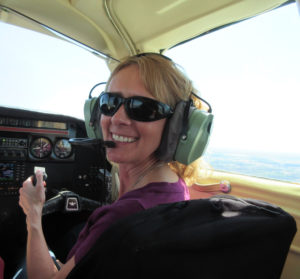 Welcome to episode 113! There are many jobs in aviation and some will surprise you. Today I am joined by Paul Grieco and special guest Jennifer Adams. Jenn is an Aviation blogger writing at Tales from the Terminal on all types of Aviation jobs and adventures.
In This Episode We discuss:
- Why Jennifer became interested in Aviation as a child.
- Working life at a Fortune 500 company while yearning for a job in aviation.
- How she discovered Aviation related jobs.
- Landing an accounting job at her local airport.
- The different technology related jobs available at the airport such as tech support, IT, etc.
- The many security related jobs including camera management, security officers, and K-9’s.
- Wildlife Management, and why it is a critical position in keeping the airport open.
- Airfield Maintenance: responsible for caring for the runway surface making sure the pavement is sound, keeping clear of snow, etc.
- Aviation jobs that do not require travel.
- Pavement specialists are responsible for determining the right type of concrete needed and making sure runways and other airport surfaces are maintained.
- The many administrative support specialists responsible for office supplies, scheduling meetings, running the FBO, etc.
- The job as Airplane Watcher which it’s a bit more involved than you would think.
- If you want to get into Aviation but don’t know how, make a list of your skills and then look for Aviation jobs that fit those skills. Think outside the box to find something that will get you in the airport using the knowledge you already have.
- Jennifer’s guest appearance on Airplane Geeks episode 404.



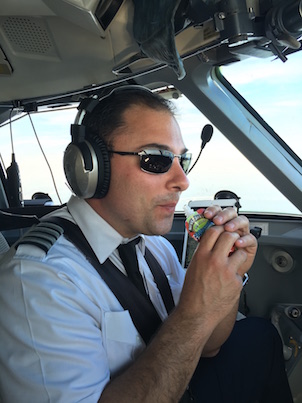 Welcome to episode 111! Carl Valeri and Co-Host Paul Grieco discuss a number of questions from listeners including preparing for training and how to pick the right regional. First, Paul discusses his upgrade to Captain versus Carl’s decision to remain as a First Officer. They also discuss the differences in Operation Specifications (Op-Specs) and Operations Manuals.
 Welcome to this episode of Aviation Careers Podcast, where we answer your questions about all aspects of careers in Aviation and Aerospace!
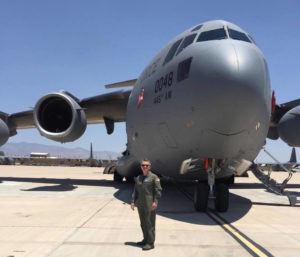 Today we have a special guest who is transitioning from an Air Force loadmaster to professional pilot. Larry Unger is truly an inspiration. If you are considering transitioning from the military to a professional pilot you need to hear his story.
 Welcome to the podcast where we inspire you to pursue your career goals and give you an inside look at many aviation careers. Today we have a special guest who will discuss the challenges and rewards of moving to a new country and changing careers to a satisfying career as an airline pilot.
 Welcome to another question and answer show of Aviation Careers Podcast! Tonight I am joined by Eric Crump and Paul Grieco to tackle your questions about moving forward in your Aviation career. We start with a comment from Tom Wachowski, who recommends that you get clear on what you want your career lifestyle to look like. From how much money you want to make, to where you want to live, to what kind of plane you want to fly, it’s important to know what you want to achieve.
 Welcome to Episode 105 of the podcast where we inspire you to achieve your career goals and live your dream by following your passion and doing a job you love. Today is a spacial episode where we help you answer one question: Are You too Old To Fly? This is probably the most common one we get from you the listener so lets address it right now! Both myself and my co host this eventing began our aviation careers late in life and left very lucrative careers to pursue our passion and become an airline pilot.