Podcast: Play in new window | Download
Subscribe: Apple Podcasts | RSS
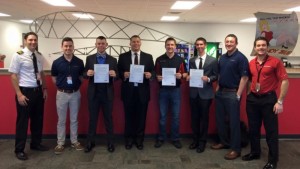
Welcome to episode 103 of the podcast where we give you an inside look at all aviation and aerospace careers. Unless you have been hiding under a rock for the past 5 years you would never have noticed the increasing lack of qualified pilots in the pool of applicants. All the airlines both regional and major have necessitated the reduction in their hiring minimums to keep up with the demand of pilots.
For the past few years I get one question from listeners almost on a monthly basis: are the regionals really hiring and if there truly is a pilot shortage? My answer is yes and yes. There is a lack of qualified pilots. The regional airlines have recognized this and have been offering many incentives including higher pay, signing bonuses, and bonuses for finding new recruits to name a few. We are also starting to hear about more deals with the majors allowing a path directly to a larger jet.
With all this hiring and incentives to recruit pilots, you would think that you are a shoe in to get a job. My advice to you is to not get complacent during this hiring cycle. Even thought you may have heard me say that if you can fog a mirror you can get an interview with a regional airline, that doesn’t mean you will get the job. You still need to pass the interview, complete the training, and the background checks to name a few. So let’s get started with this episode and let me start with a question for you: “The regionals are hiring but are your prepared?”
Joining me today is Paul Grieco, Flight Instructor, Regional Airline Pilot, and soon to be Captain.
Regionals are Hiring Are You Prepared? Well here is how to become prepared for your upcoming job and interview:
- Research the company and be prepared to answer why you want to work for the airline.
- Understand your commuting options.
- What are the current stock prices and financial results.
- Know recent announcements in the news.
- Know the upper management and the person who might be at your interviews such as the Chief Pilot or head of personnel.
- Do you have the information or Gouge on the interview?
- Have you practiced for the interview?
- What technical information do you need to know?
- Can you pass a ten-year background check?
- Do you have a DUI in your background and do you understand the implications with flying to Canada?
- Disclose all information.
- Can you remember technical details about the last plane you flew?
- Know your IFR procedures inside and out. If you are an Instrument Instructor that will help.
- Understand airline systems as much as possible.
- Be yourself and be able to explain how you will be a positive asset to the airline.
- Remember airlines hire future Captains, not First Officers.
Pick of The Week:
Carl – Turbine Pilots Flight Manual
Paul – The Advanced Pilot’s Flight Manual (The Flight Manuals Series)
Scholarship of the week:
 When you investigate flight schools or colleges with aviation programs, you will probably see or be given a list of partnerships the school has with various airlines. What are those partnerships for? What does it actually mean for a flight training program to have a partnership with an airline? Today I am here with
 Welcome back to the show! We have been unintentionally off for a few weeks. I was doing some red-eye flying which pays a bit more but doesn’t allow me to do interviews during the day. I am here today with Tom Wachowski of the

 Welcome to episode 99 of the podcast where we give you an inside look at many aerospace careers and help you achieve your career goals. Joining me today is Paul Grieco, scholarship analyst and interview prep consultant; and Tom Wachowski host of The

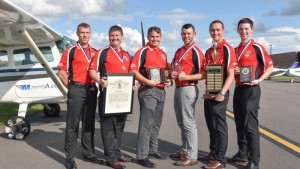 Are you too old to fly? Will an additional degree help you with your piloting career? What direction should you take in your training? These questions and more will be answered in this episode of Aviation Careers podcast.
 When someone is injured and in need of assistance, the first thing many people think of is an ambulance to rush them to the airport. What happens when the victim is in a remote location or stuck in heavy traffic, or the hospital is too far away? This is where the Air Ambulance comes in.

 Thinking of becoming an airline pilot? Most pilots will work for a regional airline before moving onto the majors. Which regional should you work for?