Category Archives: Pilot

ACP051 – Air Traffic Control, Air Force Academy, Working For The FAA, and Part Time Flight Instructing with Russ Roslewski


RussAndStearmanWant to know what it is like to work in the Air Force as an Air Traffic Controller or manager? Have you ever wondered what it would be like to design approaches? Thinking of working part time as a college professor or flight instructor? Today I have with me someone who has experience in all these fields and more.

The path towards your career goal is not straight but a journey full of variety and exciting adventures. One person who personifies this journey is Russ Roslewski. Russ has had many interesting jobs in his aviation career including The Air Force, FAA, and now working as an adjunct professor and flight instructor.

Russ has some great advice for those pursuing a career in aviation and is someone we should all admire for his ability to consistently move forward in his career AND have fun along the way. I know you will find his story fascinating and helpful in pursuing your career goal.

We Discuss:

  • How Russ developed his passion for aviation.
  • His years at the U.S. Air Force Academy and serving as a “U.S. Air Force Academy Liaison Officer”.
  • Advice for those applying and interviewing for the Air Force Academy.
  • What an “Airfield Operations Officer” is and how this prepared him for a civilian job.
  • Air Traffic Control and Airfield Management jobs in the Air Force.
  • Working as as a liaison to the foreign national leadership.
  • His involved in several mishap investigations from an ATC standpoint.
  • How he worked his way into a TERPS (Terminal Procedures) job with the FAA.
  • Advice for those interested in an job working with Terminal Procedures.
  • The benefits and challenges of working part-time as a flight instructor.
  • Working as an adjunct professor the rewards and challenges.
  • General career advice for those who are thinking of taking the leap into a new career direction.

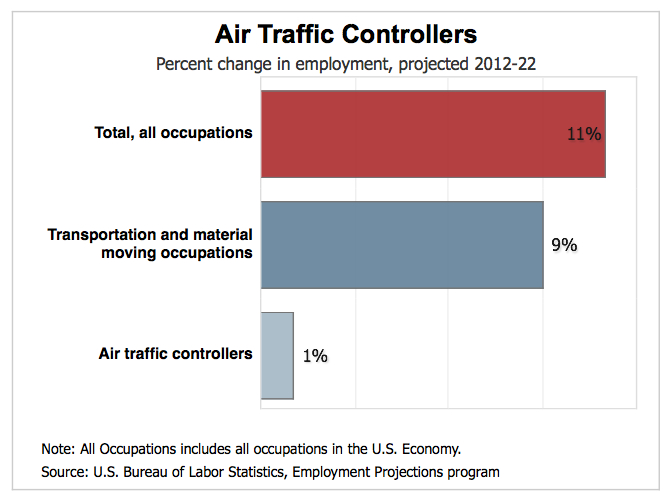
AtcBlsJobOutlook
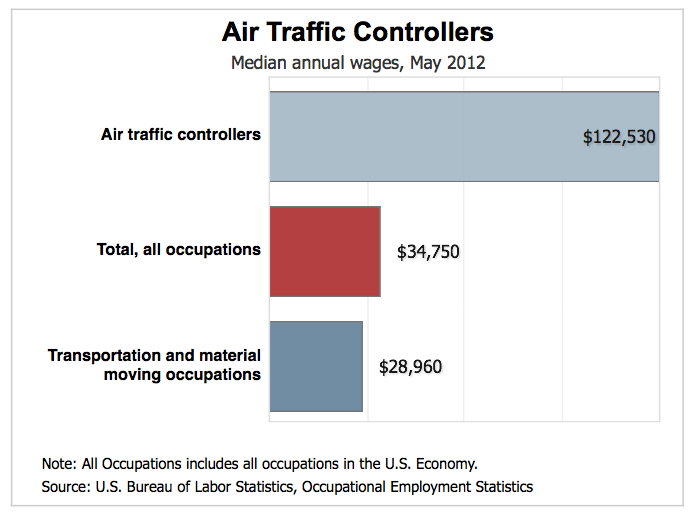
AtcWagesBls2012

Links:

FAA Aviation Careers

Occupational Outlook Handbook : Air Traffic Controllers

FAA Salaries from Glassdoor.com

SMAC066 – How To Build An Instrument Approach With Russ Roslewski

Russ Roslewski Blog


ACP030 – Inspiring The Future Of Aviation – JetBlue and Sun N Fun 2013.


Welcome to Episode 30. This is the podcast where we give you an inside look at aviation careers. I am excited to be speaking with you today for two reasons. First, I have completed my training on the Airbus A320 and am able to focus on bringing you inspirational and educational content on a more frequent basis.

Second, I just returned from Sun N Fun 2013 and was able to visit with numerous people inside the aviation industry who are truly passionate about their careers.  In the next two episodes I will be sharing many inspirational and informative interviews which describe various aviation careers. I think you will enjoy them. One of my favorite interviews is at the end of this show with a surprise guest. I hope you will enjoy these interviews as much as I enjoyed speaking with these truly wonderful aviation enthusiasts.

Before we begin, I  appreciate all the feedback I have received from you the listener and I appreciate how this podcast has become a part of your weekly routine. Your feedback and questions are very important to me and I will include the answers in an upcoming episode. With that said if you do have a question please feel free to contact me and I will answer them on an individual basis before putting them on air. It is important to me that you have your aviation careers questions answered in a timely manner.

Remember to go to AviationCareersPodcast.com and click on the contact page.  You can also call in your questions at 347-MY-WINGS or 347-699-4647.

If you want to hear about my experience in obtaining my A320 type rating at the airlines I would encourage you to listen to The Stuck Mic AvCast Episode 43. I relate both my experience in obtaining the type rating and explain the process of obtaining a type rating.

Sun N Fun:

SUN ’n FUN’s mission is to preserve and enhance  the future of flight through world-class events while inspiring and educating people of all ages.

The many year round educational opportunities include:

  • Summer camps to interest students in aerospace science while including much of the history and art of aviation.

  • Science, Technology, Engineering, and Math programs including summer, weekend, holiday, and online programs. Their program is named STEMtastic and include programs for ages 7 through 14.

  • Future Eagles Aviation Club which allows students to meet on a regular basis and explore the many fields in aviation.

  • Lakeland Aeroclub which actually teaches high school students how to fly. This program is made possible through the partnership of local businesses in Polk County and through dedicated flight instructors.

  • School tours of the Museum Of Flight tailored to your group’s specific goals and needs.

  • On a per request basis provide docents and teachers to visit schools and discuss development of STEM programs in your school.

Intro To Interviews:

Again, this episode contains inspiring interviews which all who are interested in a career in aviation will enjoy. In these interviews we discuss many aviation career fields including : commercial airline pilot, flight instructor, mechanic, engineer, and management.

Most of the volunteers at Sun N Fun Radio represent many podcasts. In my case I was representing The Stuck Mic AvCast:  an aviation podcast about learning to fly, living to fly, and loving to fly. I encourage you to  listen to at StuckMicAvCast.com.

One quick disclaimer before we begin listening to these amazing aviation advocates. In some of these interviews I speak with my fellow crew members from my job as an airline pilot. I am very proud of my employers contribution to Sun N Fun and aviation careers but would like to clarify that I am not a representative of my employer and the comments and opinions during this show are my own and do not reflect those of my employer.

Now with that said, lets get started listening to some of these wonderful discussions. Since there are many interviews and much information related during this episode I highly recommend you refer to the extensive show notes at AviatoinCareersPodcast.com Episode 30.

In this episode I discuss:

  • Sun N Fun Fly In At Lakeland, FL

  • Year Round Educational Opportunities at the Sun N Fun Campus

  • Inspirational interviews including many aviation career paths  On Sun N Fun Radio.

  • Listening to Sun N Fun Radio Year Round.

  • Should you transition from a regional to a major airline?

  • Stuck Mic AvCast Episode 43 – My experience obtaining the A320 type rating.

  • Listener Mail.

  • The voicemail line at 347-MY-WINGS or 347-699-4647


Interviews From Sun N Fun Include:

  • Mike Stromer – Vice President, Customer Connections, JetBlue – Mike discusses how JetBlue is a leading contributor in assisting and inspiring young people to foster and interest and achieve their educational and aviation career goals.

  • Sergio – Tech Ops, JetBlue – Sergio discusses Aviation High School and the various internships with JetBlue. Sergio describes various educational programs supported by JetBlue including engineering , mechanic, and pilot internships.

  • Eric Poole- Captain and Manager University Programs, JetBlue – Eric discusses how to become involved in the University Gateway Program.

  • Andy Kozak – Manager Maintenance Training JetBlue – Andy discusses becoming an aircraft mechanic. He also describes the maintenance training program at JetBlue and how JetBlue inspires high schools students through assisting high school students build an airplane!

  • Cape Air Gateway Program – Crisa explains the benefits of the program, requirement, and how to apply. This is a very quick path to the airlines. We also speak with Sean who is a first Officer on the E190 for JetBlue. He is one of the first to complete the gateway program with Cape Air.

  • Craig Hildebrandt – Fleet Manager and A320 Captain JetBlue – Craig shares his passion for aviation and gives advice to those interested in a career as an airline captain.

  • Bonny Simi – JetBlue E190 Captain and VP Talent – Bonnie discusses the varied careers at an airline. She has words of encouragement for those looking at a career in aviation. She discusses the mentor program and hiring at JetBlue. Bonnie also talks about other  areas JetBlue reaches out to the community.

  • Jake and Julie two college students in the Gateway Program are truly inspriational and have some great advice for those looking to become a pilot and get involved with the Gateway program.

  • Al Spain – I had a chance meeting and some inspiring words from one of the founders of JetBlue.

For questions, comments, or suggestions please leave a voicemail:

347-MY-WINGS or

(347) 699-4647.

You can also reach us at Twitter, Facebook, by E-mail, or the contact form below.

[contact-form-7 id=”30″ title=”Contact form 1″]


ACP029 – Flying As A Captain For A Major Airline With Jeff Nielsen Of The Airline Pilot Guy Podcast

If you walked up to a stranger and said you were a pilot they would probably imagine flying a large airline across the world to exotic locations. If you listen to this podcast on a regular basis you realize there are many pilot jobs other than that of a major airline pilot. But what is it like flying as a captain for a major airline? Today I have with me someone who can answer this question.

Jeff Nielsen is a Captain with a major airline. Jeff has over 23 years flying experience and is a senior Captain on the MD88/90. He also is no stranger to sharing his story of being a pilot as he is the host of the Airline PIlot Guy Podcast. Jeff has agreed to join me today to help us understand the job of being a Captain with a major airline.

Jeff and I Discuss:

  • How he developed his passion for aviation.
  • His path towards becoming a Captain with a Legacy Airline.
  • Why Jeff likes being an Airline Captain.
  • The Benefits to being a Captain with a Major Airline.
  • What it is like to fly the MD88/90 and a few fun facts.
  • How being a military pilot helped his career.
  • Advice for those looking towards a career as an airline pilot.

Listener Mail:

Question from Steve:

Steve is planning on starting his instrument rating and commercial pilot certificate. Steve will be purchasing Rod Machado’s books and wants to know if there are any books or other materials we recommend.

From Todd:

Are unions really good for aviation?

From Jason:

Jason is a C-130 Instructor Pilot/Evaluator for the USAF with over 2300 hours flight time with 1,000 hours in combat. He is trying to decide if he should fly for the Airlines or stay in the Air Force and wants to know if his current military experience will make him competitive when applying to the airlines.

Recommendation:

Are you interested in getting the inside look at the daily life of an airline pilot? Want to hear some insightful commentary concerning airlines and travel? Would you like to hear an airline pilot’s perspective on the latest industry news? Well there is a show you should listen to, Airline Pilot Guy.

Airline Pilot Guy is a view of the airline industry from a Captain’s perspective. Our guest today, Captain Jeff, is host of this interesting and entertaining show. Jeff introduces us to his podcast Airline Pilot Guy.

Links Mentioned:

Gold Seal described in AC 16-65E

Master Instructor

Auburn University – Professional Flight Management

Recommended Reading:

Flying the Line: The First Half Century of the Air Line Pilots Association

Jeppesen Instrument Commercial

Airplane Flying Handbook (FAA-H-8083-3A) (Second Edition)

Instrument Procedures Handbook

Pilot’s Handbook of Aeronautical Knowledge

Instrument Flying Handbook

Rod Machado’s books


Designing Repairs On Damaged Jets with Aerospace Engineer Walter Chan – ACP027

One of the best aspects of a career in aviation is that you are surrounded by people who are passionate about their vocation.  Today I have with me a person who is passionate about his career of designing repairs to airliners which have been damaged as an Aerospace Engineer.

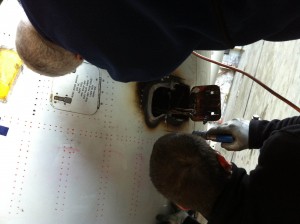
Did you know fixing a damaged airliner includes engineering the repair. From nicks, scratches, dents, and corrosion, to bird strikes, skin patches, and other major repairs to aircraft primary structure an engineer is involved in providing a solution. I have with me someone who is designs structural repairs to damaged jets and who is passionate about flying planes as a private pilot.

Today we are going to be speaking with Walter Chan a Designer of Structural repairs and truly passionate aviation enthusiast. Walter was referred to me from the host of Stuck Mic Avcast, Len Costa. Len said you really need to speak with Walter about aviation careers and his passion for all things aviation.

Walter and I Discuss:

  • His job as a structural engineer.
  • How he developed his passion for aviation and flying.
  • The type of engineers who work for his company.
  • Working conditions and some exciting places he visits while performing his job.
  • The educational requirements to become an engineer working on airliners.
  • Advice for those interested in becoming a repair design engineer.
  • His passion for flying and his journey as a private pilot.
  • His interest in flying airplanes for fun and someday to get paid as a pilot.
  • The challenges he has faced in completing his ratings.
  • Why he likes his current job and career.

Listener Questions:

Should I begin with a an undergraduate degree in engineering before pursuing a masters?

Is it important to have a pilot license to be a test flight engineer?

Links Mentioned In This Show:

Flight Training Magazine

ACP024 – Preparing For A Midlife Career Change; The Successful Part Time Flight Instructor.

ACP022 Designing Tomorrow’s Airplanes With Flight Test Engineer Alan Lawless


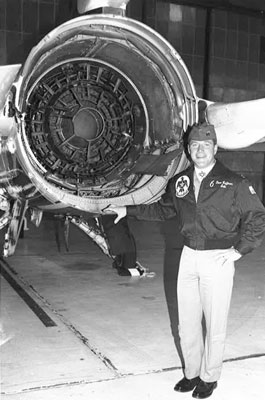
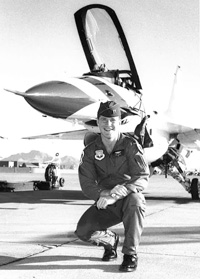
ACP025 – Don’t Let Anyone Steal Your Dream – From Air Force Thunderbird Pilot To General Aviation Pilot With Dave Coffman

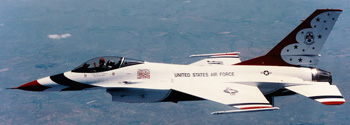
Many Air Force pilots transition to a career as an airline pilot.  Some have successful careers as a general aviation pilot. Dave Coffman is an accomplished pilot who has taken his experience as an Air Force fighter pilot flying for the Thunderbirds and has built a successful general aviation business.

Dave describes how he made the transition from flying fighters for the military to his current general aviation business. Dave is a contract pilot, flight instructor, and mentor pilot. Dave specializes in assisting pilots fly solo in complex aircraft by using his many years as a single seat fighter pilot.

Dave and I Discuss:

  • How he developed a passion for aviation.
  • His Air Force career.
  • Flying For The U.S. Air Force Demonstration Squadron Thunderbirds.
  • Why he chose general aviation over the airlines.
  • How he built a successful business as a contract pilot.
  • How being an F-16 and T-37 Instructor helped him with his current career.
  • Preparing for a job as a civilian after a military career.
  • Advice on seeking a job flying with the military.
  • How a military career prepares you for a job in the civilian world.
  • The challenges of transitioning from the military to the civilian career.

Daves Awards and Achievements Include:

  • Top Graduate, USAF Pilot Instructor Training
  • USAF Distinguished Flying Cross, Aerial Achievement
  • USAF Pilot of Distinction Award for safe recovery of an F-16 during an airshow after a catastrophic afterburner explosion.


Listener Mail:

Questions From Todd:

Todd has a few questions for Tom Wachowski but since both of us are on the road Tom recorded his responses to your questions Todd and I will play his response after reading your questions.

Questions For Tom:

  • What is the the most important quality that a corporate flight department looks for in a prospective pilot candidate?
  • How does he feel about paying for your first type rating when that becomes a limiting factor in getting hired?
  • I hear a lot of people frowning upon that but we all have to pay for our flight training to that point anyway, so why not a type rating?
  • Is it best to fly regionals before getting a corporate job?


Questions for Carl:

  • You mentioned you knew a pilot who also was a practicing dentist.How in the world did he have the time to do both?
  • Any way to have him on your show?
  • Could I potentially have the time to be a practicing veterinarian and be a regional airline pilot?


Questions From Swayne:

Swayne is a high school student considering aviation as a career

  • What should I think when I get responses from online forums or people who tell me to “run?”
  • After years of flying, do you still look forward to it like you did when you first began?
  • How did you get to where you are?
  • What do you think the future of the industry is looking like?
  • Do you see a brighter future compared to the last 11 years?

Links Mentioned In This Show:

Dave’s Interview on The Stuck Mic Avcast Episode 30

Higher Calling Aviation – Pilot, Instructor, Mentor

ACP023 – Ten Reasons You Should NOT Become An Airline Pilot. Career Questions Answered with Tom Wachowski.

ACP014 – What Is Business And Private Aviation?, Interview with Corporate Pilot Tom Wachowski

Cockpit Chronicles

Recommendation:

Wisdom Meets Passion: When Generations Collide and Collaborate


ACP023 – Ten Reasons You Should NOT Become An Airline Pilot. Career Questions Answered with Tom Wachowski.

I spent a few days dropping my business cards off at flight schools and fixed base operators and I have come to a striking conclusion. Airports and flight schools can be the worst place to go if you want advice on becoming an airline pilot. Let me explain.

I like to leave cards at the airport so those who are interested in an aviation career will learn from the interviews and advice we provide on this show. After speaking with various people at numerous airports I received diverse reactions to my podcast.

When I speak with those who have been in the industry a long time I usually hear “I hope you are telling pilots to get out of aviation and do something that makes money”. When I speak with newer pilots excited about their new career I get a completely opposite reaction.

Most new pilots are “interested in hearing what we have to say on this podcast because they can’t wait to move their careers forward”. I can’t blame these “newbies” in the industry with all the negative feedback they get from their boss and the other older pilots working at the airport, I too would want to move on.

To help you better understand the challenges of being an airline pilot I wanted to give you some of the negatives I have heard from these people and other pilots I have spoken with over the past few decades. I have compiled a list of the top ten reasons you should not become an airline pilot so you can decide for yourself if this career is for you. If the top ten reasons are not negatives in your mind, then you will be a candidate for becoming an airline pilot.

Before we begin with our top ten list of reasons you should NOT become an airline pilot I want to ask you a favor. If you are an airline pilot and are listening to this podcast I invite you to write in with your own list of the top reasons you Should or Should NOT become an airline pilot. I will include these in an upcoming episode.

Today we are also going to spend most of the episode answering your aviation career questions sent via email. To help me with my list and to help give another perspective is Tom Wachowski. Tom was our guest in episode 14 and helped us understand the corporate pilot career.

Tom and I Discuss:

The Top Ten Reasons You Should NOT Become An Airline Pilot.

  1. You want to be home every night.
  2. You don’t like sleeping in hotel rooms.
  3. You needs lots of rest and can’t imagine working a 16 hour day.
  4. You want to a large income right away.
  5. You want to change jobs often.
  6. You want holidays off.
  7. You want to see your family every day.
  8. You don’t work well under pressure.
  9. You are afraid of being tested continually just to keep your job.
  10. You don’t like working with others in an enclosed environment.

Listener Mail:

From Ron:

I’ve only recently discovered your podcast, I appreciate the fresh perspective your episodes deliver!

For those who may not be able to fly with an airline, or may have a restriction on their medical for color vision deficiency with “not valid for night flying or by color signal control”, what other flying jobs are there aside from perhaps agricultural or patrol or daytime charters? How would one get their foot in the door with these or any other opportunities? How does one plug into the aviation “network” and begin making invaluable contacts?

From Shane:

I started listening to your podcast after your appearance on the airplane geeks podcast. At the time I was a student enrolled in the professional pilot program and working part time for the school as a veteran/financial aid adviser. Around this time our previous flight training provider lost their contract and a new flight school received the contract to conduct the flight training portion of the degree.

Word went out the new flight school was conducting interviews but since I had not yet received my CFI certification I initially thought that I shouldn’t waste my time interviewing. Luckily I remembered the advice I have heard repeatedly on your podcast that there is more to aviation careers than just flying so I went in with a resume and some optimism hoping for the best.

The following week I was contacted by the new flight school and they informed me they wanted me to be the customer service and admissions manager with a focus on student success. The best part was they agreed to let me start taking on students once I finished my flight instructor certificate!

I would never have thought to apply for this job if it were not for your advice and I could not be happier with the outcome. I love my new job and look forward to coming to work every day.

Thank you,
Shane

From James:

I just recently discovered your podcast and I really hope you continue to produce these in the future. I have been a helicopter pilot in the US Army for the past 16 years and I’m looking to start a 2nd career in the Airlines at the ripe old age of 38.

I started flying in 1990 when I was 15. At this time, a Cessna 152 was about $30/hour and the instructor was about $15/hour. At that point in time, one could pay for a private pilot certificate with about $2,000. Today the least expensive airplanes I see rent wet for about $100/hour and the CFI $50/hour. According the the US Inflation calculator, $30 in 1990 should be about $53 today, having had a rate of inflation change of 76% over the past 22 years. Even in 1990, the “old timers” were complaining about how much prices had risen since the late 70’s/early 80’s.

So why has the cost of flight training outpaced inflation by 200% over the past 20 years, and over 300% over the past 30 years?

It’s easy to blame the lawyers of the 1970’s and 1980’s for putting the Wichita companies out of the business of producing training aircraft. We still have no where near the economies of scale of production that we had during the “golden era” of the 60’s and 70’s.

I don’t think the LSA/sport pilot revolution (est. 2004) has lived up to the expectations we had anticipated 10 years ago. Is this simply because a plastic plane still needs to sell for $100k to turn a profit at the current (low) production levels?

One thing that has become more affordable over the years is the cost of the average airline ticket and the accessibility to the general public. When I took my first ride on an airplane in 1977 to visit Grandma, residing just 3 states away, it cost my parents $700 per person in 1977 dollars ($2,661 today) to board that United Airlines DC-10.

If the public thinks that we need to go back to the good old days when we were served steak and lobster with our own flight attendant to pamper us at the cost of 8 weeks worth of wages, this can still be done–it’s called first class.

And finally, to beat the dead horse of whether or not a pilot shortage really exists. Most of those in the industry who poo poo the idea of a real shortage based on the fact that during their tenure over the past 30 years, there just hasn’t been one. We have cried wolf too many times over the past 3 decades with nothing really materializing. What they need to keep in mind is that there are some major factors that have changed that didn’t occur during their time in the industry. Airline operators will no longer have the luxury of lowering the hiring minimums to 250 hours like they did in the late 1990’s. The cost of training and access to financial support to pay for training is at an all time low. Just look at the pilot population of 1980 (800,000 +) compared to today (500,000 +) and then further compare that to the number of passengers traveling and aircraft in service. This may just perhaps be the “real” shortage.

From Robert:

Hello, I found your podcast from hearing you on the Airplane Geeks Podcast. I am a former flight instructor and 135 charter pilot who has been out of the industry for the past two years but am trying to return to commercial flying. I have 1530 total time, 1197 multi engine, 960 turbojet multi and all the CFI ratings. However I have not flown in the past two years. I am hoping you might be able to advise me on how much recent experience I need to build to be a candidate for a regional airline.

Thanks,
Robert

From Terry:

Hello, My name is Terry Peterson I’m a Commercial Single Engine Land Instrument pilot with 500 TT and will have my CFI/II soon. I have been in sales for about 10 years and really enjoyed your podcast about aircraft sales. This is a field that has interested me for a while and I think with my skill set I would be a good fit in this field.

I’m working on my instructor certificates right now as kind of a student teacher. My instructor has paired me up with an instrument student, I write the lesson plans and my instructor then reviews them. I then teach the approved lesson to the student and when he is ready I sign him off for a stage check with the instructor to see how we are both doing.. If I could log dual given I would be able to log about 25 hours at this point. I like this approach because I found that I really enjoy teaching.

I have also decided to start my Aviation Maintenance Technician (AMT) training next year at my local college. I have been thinking about this for a year but after hearing your podcast about how it could make me more marketable as a pilot to have my AMT I have decided to move forward.

I have just recently found your podcast by way of the New pilot podblog when you were being interviewed by Rob. I have found your podcast informative and empowering . I believe I have been given inside information to make better educated decisions concerning my new career in aviation.

Thank you,

Terry

From Dan:

Hello Carl,

I have recently started listening to this podcast and am in the process of catching up from the beginning. Just have a few questions/comments from the episodes I have heard thus far.

In episode 15, you spoke with Betty of the Betty in the Sky with a Suitcase podcast. One point that came up was crash pads and the like, and it made me think of www.airbnb.com. Only very loosely related, as I understand this is much more like a hotel room than a long term money saving rental. However, I thought it might be worth mentioning for at least some of the corporate pilots out there, or anyone else staying overnight in a city which they don’t call home, who wants something a bit different than your usual hotel room. I’m sure the company takes care of the hotel rooms for you airline guys, so that is probably not really an issue. Perhaps this is more of a Pick of the Week for a Stuck Mic episode.

Stemming from the corporate pilot train of thought, I wanted to say that Tom Wachowski from episode 14 was by far my favourite thus far. Most likely due to the fact that he is living the life that I would like to see myself in. Which brings me to my point.

Currently, I am taking an online ground school course before I jump in to my primary flight training. Trying to be as efficient as possible in regards to my training, I have planned to complete the ground training so that I can take some time off work and focus entirely on flight training.

Everything I have read/heard says that the more you can fly during training, the better off you are. What I am hoping to do is fly 7 days a week, as I already have a flight school which assures me that will not be a problem for them.

My question is this, is there some point which could be considered too much flying? I understand that some would point out the possibility of burn out with that much flying, but if fuel would allow… I would never come down. Just not sure how passengers would feel about that. My 30th birthday is just around the corner, so I am a bit behind the ball on this, which is why I would like to expedite training without rushing so much that it is ‘bad’ training. Long term goal would be to move to a senior position with a regional carrier and do some corporate contract work on the side iif possible.

As this is already entirely too long, I will finish it up, but I do appreciate you reading through all of this and look forward to any thoughts/recommendations you might have on the subject. Keep up the great work.

Safe flying,
Dan

From Ron:

I enjoy listening to your show. I’d be very interested in hearing different viewpoints on building multi engine time.

I just finished a multi-engine commercial rating at a community college and need to continue to garner more flight experience.

I went online and came across some time building programs. I then read warnings about some of those programs on other websites. They claimed that buying time at some of those operations was essentially worthless because many prospective employers view that time as garbage.

I talked to a FBO that had a multiengine available for rent and there was even more disagreement.

I’m confused and I need to hear from professionals who don’t have any financial stake in giving good advice.

From Todd:

Carl,

No doubt, this isn’t the first email you have received from someone pondering a career change. I am 40 years old and have always had a passion for flying. I obtained my Private PIlot Certificate before starting college.

I was planning to pursue my dream of becoming a corporate pilot when I discovered the FAA’s vision requirements. I was crushed, so I left aviation and am now a veterinarian. Fast forward to now.

I recently discovered that the FAA changed their vision requirements not long after I left aviation. I couldn’t believe it! Well, here I am, pondering one of the biggest decisions of my life. I’ve never had the same passion for my current career as I do flying. My goal is once again to fly for a corporate flight department. That leads me to this question:

Multi-engine PIC time is so important for many jobs. With most freight companies out of business, building time as a cargo pilot is almost a thing of the past. How can someone today build that important multi-engine time short of buying it? Instructing is one way, but fewer people seem to be pursuing multi-engine ratings. What are some other ways one can build PIC multi-engine time?

Thanks!

Todd

Links Mentioned in The Show:

Airmanship and Experience: Taking Advantage Of The Pending Pilot Shortages

Airplane Geeks Podcast

ATP Flight School

Action Multi Engine Ratings
Tom Wachowski – Consider It Brands.

Recommendation:

The Top Five Regrets of the Dying: A Life Transformed by the Dearly Departing


ACP019 You Can Be A Test Pilot, Military Aviation Careers, Interview With Mark Jones


Wonder what it would be like to be an Air Force Test Pilot?  Thinking of a career as a pilot in the military?  Maybe you want a career in one of the various aviation career fields in the military. Today I have with me someone who has accomplished all of these goals.

Our guest today is Mark Jones a former USAF test pilot, author, and civilian test pilot. I am excited to have Mark with us today to speak about jobs in the military and one of the most exciting jobs, that of being a test pilot.

We discuss:

Recommendation:

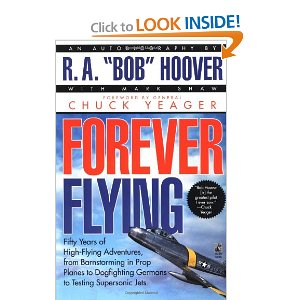
Forever Flying By Bob Hoover.

Watching Bob Hoover perform at air shows is always a pleasure because he makes the audience gasp in excitement and amazement. Bob started his flying career as a military pilot and became a USAF test pilot and then began work as a civilian pilot.

If you enjoyed listening to Mark Jones recount his exciting career as a test pilot I think you will thoroughly enjoy “Forever Flying” by Bob Hoover. Bob is an aviation hero. My favorite story is when he escaped a POW camp during World War II, stole a German plane, and flew it to Holland.  To hear an inspirational and exciting story of another test pilot I highly recommend “Forever Flying”.

Thanks for listening to Aviation Careers Podcast. I hope this show has helped you define and inspire you to achieve your aviation career goals.

If you have a question for me or one of our guests there are numerous ways to contact us. You can leave a voicemail at 347-MY-WINGS or go to AviationCareersPodcast.com/Contact. Remember to like us on Facebook and follow us on Twitter for more aviation career news. I would love to hear your feedback and welcome all questions. If you have downloaded this on iTunes please go to iTunes and rate this podcast so others can benefit from the content we provide.

If you want to become a test pilot I hope Mark Jones has inspired you and made you realize that you may have what it take to become a test pilot. Define your goal and then keep focused while you enjoy the journey towards your aviation career goal.

Talk to you next episode and Safe Flying!

Subscribe To Aviation Careers Podcast:

Miro Video PlayerPodcast Feed

Pilot Supplies:

ACP016 Building A Business While Working For The Airlines, Interview With Justin Lukasavige of Coach Radio

I am excited to bring you a new perspective on aviation careers from someone who worked as an airline pilot and discovered a new calling in life. One of the benefits of working for the airlines as a flight crewmember is the large number of days off. Some relax or travel on their days off while others build businesses.



Today I am speaking with Justin Lukasavige who built a successful business while working as an airline pilot. As a matter of fact he realized flying full time was not for him and pursuing his business full time is. Let’s hear what Justin has to say about pursuing a career with the airlines and why he decided to leave his airline job and run his own business.

We Discuss:

  • His journey to the airlines.
  • Obtaining a degree from an aviation college.
  • Is there a “best” degree from someone pursuing an aviation career.
  • Advice to those looking to run a business while working at the airlines.
  • Why he left the airlines.
  • What he is doing now with CoachRadio.tv
  • Is flying still in Justin’s future?

Links Mentioned in This Podcast:

CoahRadio.tv

Recommendation:


Most of you listening to this podcast are interested in starting or changing to a career in aviation. No matter what career path you choose you should choose work that you feel is worthy of your time and fulfills your purpose.

Most people are stuck in jobs that do not fulfill their purpose in life and therefore they can’t wait until Friday because it starts the weekend. The reason most love Friday is because it signals a day where you can begin doing something you enjoy or are passionate about.

I am fortunate enough to have realized at a young age that I want to enjoy every day as if it was Friday. That is why the book by Joel Osteen : Every Day a Friday : How to Be Happier 7 Days a Week, appealed to me.

This book is from a Christian perspective but the principles apply to all who are trying to live a more fulfilling life where they can get up in the morning and say “thank God it is Today!“ instead of “thank God it is Friday”.

I am an example of a person who has no Monday’s and to me every day seems to be a Friday. It was a choice I made to design a life where I can enjoy every day. The book Every Day a Friday by Joel Osteen uses basic principles that will help you become one of the fortunate who feels every day is a Friday.

Every Day a Friday: How to Be Happier 7 Days a Week

A great way to keep motivated each day is listening to audiobooks while doing other tasks such as walking or commuting to work. Every Day a Friday is available on Audible for free by signing up for a 30 day trial from this website. You can sign up for a 30 day free trial by going to AviationCareersPodcast.com/Audible or by clicking on the link below. You can cancel at any time and still keep the book for free.

Audio Book: Sign Up For an Audible 30 Free Trial and Get Every Day a Friday Free.

It was a pleasure having Justin Lukasavige of CoachRadio.tv on our show today. I think his advice will help you fulfill your career goals. I encourage you to visit his website CoachRadio.tv.

Many of you are thinking of becoming an airline pilot because you heard it affords you many days off so that you can pursue other interests such as starting a business. There are many benefits and challenges to owning a business when you are working as an airline pilot. I hope this discussion has enlightened you as to the benefits and challenges of building a business while working as an airline pilot.

Thanks for listening to Aviation Careers Podcast. If you have any questions, comments, or suggestions go to AviationCareersPodcast.com/contact. You can also find us on Twitter and Facebook. If you want to leave a voice mail please call us at: 347-MY-WINGS or (347) 699-4647.

Subscribe To Aviation Careers Podcast:

Miro Video PlayerPodcast Feed

Pilot Supplies:

ACP010 – How To Prepare For Upgrading to Captain At The Airlines, Flying the Embraer 145, A Midlife Career Change

Ever want to know what it takes to upgrade to Captain at the airlines? Upgrading to Captain is one of the more challenging events in a pilot’s flying career. The transition to flying as first officer to pilot in command is more than a simple checkride. The process of becoming a Captain takes weeks of hard work and study.


If you are curious what it takes to upgrade to Captain we will describe the process and give you advice on how to prepare for the upgrade training and how to pass your check ride.

Today I am with Len Costa a newly minted airline Captain. Len is also the publisher of The Piot Report.com and is Host of The Stuck Mic Avcast. Len and I discuss:

  • Flying the Embraer 145
  • The upgrade process
  • How to prepare for upgrade training
  • What are some of the common causes for upgrade training failure.
  • Advice on how to prepare mentally for the training and the check ride.

Recommendation:

ThePilotReport.com is a website of aviation product reviews, demos, and videos of people living the aviation lifestyle. I think you will enjoy the videos because they are both entertaining and informative. To talk more about The Pilot Report.com is the publisher of this fine website and our guest today, Len Costa.

Aviation Career Questions Answered:

As I mentioned in the last episode I would like to spend time counseling each and every one of you individually but I don’t have the spare time due to my flying schedule and the demands of providing content for this podcast and other websites. So if you have a question concerning aviation careers please e-mail me and I will include it in an upcoming episode so all can benefit from your questions.

The following Questions are discussed in this episode with my guest Len Costa. Questions are edited for privacy and accuracy.

Question 1 is from Rob Cigliano from TheNewPIlotPodBlog.Com:

Carl,

Great podcast. I am really enjoying it. As an aviation enthusiast who is contemplating changing careers to the aviation industry, I find the podcast to be relevant and informative.

I am taking online classes at ERAU (Embry Riddle Aviation University) for a masters in airport/aviation management with the hopes of getting into that field when I am ready to say goodbye to my current career.

What advice would you give to someone who is not in the aviation industry but would like to change careers in their 40s or 50s to join the aviation field?

Keep up the great job!”

Question 2 From Sam:

Hi Carl,

I’ve always been interested in becoming an Airline pilot and got as far as my PPL before I said to myself I would love to go further however it just does not make financial sense at this moment in time and the risk is too big.

I wanted to ask about this apparent “pilot shortage”. Boeing’s forecast for pilots sure looks like an impressive number however when you break it down the number of pilots needed isn’t all that great (In my opinion). Scott Spangler has an article about this on his Jet Whine blog.

http://www.jetwhine.com/2012/07/another-pilot-shortagereally/

I’ve recently started a career and my job role mainly involves computer programming. I work in the ECEPS team (Engine Control and Electrical Power Systems)and although this job is interesting, its not really what my life ambition goal is which is to become an airline pilot. However being a pilot is all about making good decisions and I think sticking with this job is a good decision instead of landing myself with an enormous loan for flight training with no guarantee of a job at the end of it all.

So my question is, I’m 25 years of age now, and by the time I save for my training I will realistically be around 30 to 35. Do you think this is too old of an age to start training as a pilot?

Sorry for the long email, looking forward to your next episode!

Take care,

Sam “

Question 3 From Steve:

Hey Carl,

I’m a pilot/blogger in Ohio and regular podcast listener – I also know Victoria; we finally met up at OSH last summer. Recently I was listening to your interview with Doug Stewart from Sebring and the discussion about the CFI-SP rating. I’ve recently been thinking about working towards that rating myself and, basically, I’m trying to determine if it’s a good idea or not. So hopefully you don’t mind me asking a couple questions about it?

I have a career outside aviation (although I’d love to find a way to work in aviation long-term) and, at least right now, instruction is just something I think I would enjoy. It would build my own skills, allow me to share my passion for flight with other people, and perhaps provide a little extra income on the side.

I’ve been chatting with some other CFIs and a couple of interesting (and good, in my opinion) suggestions have come up. One said I should go for my AGI/IGI since it’s relatively easy (book learning/studying, test, certificate) and affordable and would allow me to teach ground school on the side. Plus, it would get the FOI test out of the way. I hadn’t thought of that before but it seems like a good suggestion – I really enjoyed ground school when training for my Private. Rod Machado is the one who suggested I pursue my CFI-SP. I honestly hadn’t ever looked into the requirements before, but it’s a lot simpler than the full IR > Comm > CFI route, though I still think I would like to do all that – eventually.

It seems like this might be a great way to bridge the money/experience/time gap. Also, the fact that my airport does a ton of LSA training in the Cub and Champ doesn’t hurt. I know they’re looking for CFIs (they’ve talked to me about it) and every student starts in an LSA… so there’s definitely some opportunity there.

One major question I have (and I need to talk with them about this as well) is whether the current FAA limitation on dual hours received from a CFI-SP counting towards Private training is a serious hindrance. I can certainly see how it would be. Why would they want one of their instructors to effectively be introducing a limitation on some of their students? On the other hand, for students truly interested in only getting their Sport, it shouldn’t matter. Any thoughts on this?

Finally, any general comments/suggestions on my situation and plan in general?

Thanks so much in advance – I really appreciate it!

-Steve”

Thanks for listening to Aviation Careers Podcast. If you have any questions, comments. or suggestions for upcoming episodes I would love to hear from you. You can contact me on the website AviationCareersPodcast.com and click on the contact page, or e-mail me directly at carl@AviationCareersPodcast.com. Also don’t forget to like us on Facebook and on twitter @flyingcareers. By liking us you will be kept up to date on episodes and other career news.

Thanks for listening and remember to keep focused on your aviation career goal! Safe Flying!

Subscribe To Aviation Careers Podcast:


Miro Video Player

Podcast Feed


ACP009 – Flying The Embraer 190, Some Airline Pilots Are Home Every Night, V1 Clothing, and Mental Math For Pilots


Welcome to Episode 009 of Aviation Careers Podcast. Ever wonder what it is like flying the Embraer 190 as an airline pilot?  Did you know that some airline pilots don’t spend nights in hotels but instead sleep at home every night?  Most pilots work full time but some have many days off and are able to have more than one successful career. Jeff Garrone is an example of an airline pilot who also runs a successful business.


Similar to Jeff, many pilots have second careers because they have so much spare time but also want to have a backup plan if they lose their job or their medical. While we are flying we always have a contingency plan if we experience mechanical or unforeseen weather.

In much the same way I recommend pilots always have a contingency plan for their career. Whether it is obtaining training in another trade, building a business, or obtaining a degree in an alternate field it is always a good idea to be prepared for a career terminating event.

Jeff and I discuss:

  • Flying the Embraer EMB-190 airliner.
  • How he is able to be home every night with his family and work as an airline pilot.
  • Working part time as an airline pilot.
  • The benefits and challenges of owning a business while working for the airlines.
  • Why it is important to have a contingency plan as a pilot.
  • How Jeff became interested in flying and if he would recommend an airline career to others.

Product Recommendation:

Jeff has created an outstanding line of aviation lifestyle clothing which can be worn by everyone.  I really like some of his designs.  Today we talk with Jeff about how he started V1 Clothing and some of the exciting designs he offers.  I produced a video for The Pilot Report showcasing some of V1 clothing’s designs and their pilot bag. I think you will find that his products are both stylish and practical.

For More Information about V1 Clothing visit V1Clothing.com.  V1 Clothing is available at many of the larger aviation retailers and directly at AirSpeedJunkie.com.

Watch The V1 Clothing Video:

Recommended Reading:

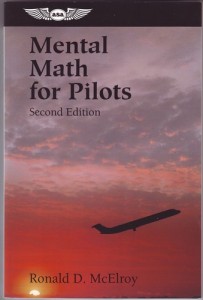
In an age of electronics, good math skills are relevant because as a pilot there are many situations where you are asked to make a quick decision based on figures you are given. If you are preparing for a checkride the examiners will ask you to calculate numerous items during your oral exam. If you are preparing for an interview with an airline this next recommendation is a must have because some airlines take their interview questions directly from this book.   Mental Math for Pilots (Professional Aviation series) is for pilots looking to improve their math skills in the cockpit and easily perform math calculations in their heads. This book offers numerous tips and invaluable tricks to help in all areas of cockpit calculations.

Pilots are guided through basic and more advanced formulas with explanations on how to perform them without needing paper or electronic calculators, step-by-step instructions, practice exercises, and personal advice from experienced pilots. Easy and quick methods for calculating airborne math problems, enroute descents, and visual descent points are covered.

If you are considering becoming an airline pilot, Mental Math for Pilots is a must have to prepare for an interview. This book is also for all pilots preparing for a checkride, proficiency check, or for pilots wanting to improve their in-flight calculations performance. To look inside the book and read reviews of Mental Math for Pilots click on the links or the image above.

I hope you have enjoyed our discussion with Jeff Garrone Airline Pilot and Entrepreneur. For links to all the items we discussed in this episode please visit AviationCareersPodcast.com. If you have any questions, comments, or suggestions for upcoming episodes please contact me by e-mail on our contact page. You can also follow us on twitter @FlyingCareers and remember to like us on facebook if you want updates on episodes and other aviation career news.

Listen To Us On Stitcher Radio

This podcast is available for download on your favorite device by visiting AviationCareersPodcast.com. We are also available on iTunes and have been recently added to Stitcher Radio. To find out how you can listen to Aviation Careers Podcast on Stitcher click on the link at the top right of AviationCareersPodcast.com or click on the link below.

Your Aviation Career Questions Answered

One more item before we go. Many of you have asked if I would be available for career counseling. I would love to help each and every one of you individually but I am busy with my flying job and creating content for this and other websites. Therefore, if you have a question no matter how complex please e-mail it to me on on the contact page or by sending it to carl@aviationcareerspodcast.com.

I have compiled questions already submitted and will be including my answers in the next episode. Including your questions in future episodes  will not only help you but all of the listeners of this podcast. I have had some great questions from those looking to start a career in aviation, change careers, or looking to have a successful part time flying career. If you have any questions about careers in aviation please feel free to ask.

Thanks again for listening . Remember to keep your head in the sky while building a foundation for your aviation career goal here on the ground.  Safe flying and talk to you next episode.

Subscribe To Aviation Careers Podcast:


Miro Video Player

Podcast Feed