Category Archives: General Aviation

ACP262 Coronavirus And Your Career

Coronavirus And Your Career

Welcome to the inspirational, informational, and transparent aviation careers podcast.  Today we discuss the Coronavirus and how it will affect your career.

Before we begin a few announcements.

Announcements:

If you have questions, comments, inspirational stories, or announcements please write to us at feedback@aviationcareerspodcast.com.  Have a special story about your career that would inspire others? Want to share your career in Aerospace, or have other information you feel would help our listeners then please consider becoming a guest on the show? Click on the be a guest tab in the show notes or on the right of the screen at AviationCareersPodcast.com.

At AviationCareersPodcast.com  You can find the Scholarships Guide, Career Coaching, and various courses online.  Don’t forget to use the coupon code “payitforward”, all one word. Through the generosity of others, you may receive the scholarships guide for free. As a matter of fact, for every $10 we raise from patrons of the podcast we give away one scholarship guide. 

If you want to make a difference in someone’s life by contributing to giving away a free scholarships guide please click on Patron. For as little as $1 a month you can make a huge impact on someone’s life and career.

The current online scholarships guide includes 56 new scholarships, 10 updates and a new “Scholarships for Adults” category. To find out more visit AerospaceScholarships.com or click on the scholarships tab at AviationCareersPodcast.com.

In This Episode We Discuss:

  • Impacts of Corona Virus on Your Career.
  • We have been here before
  • This is a marathon, not a sprint.
  • What you should do depends on where you are in your career.
  • Building flight time is key.
  • Similar precautions you should take during flu season.
  • What to do when there is a reduction in flying.
  • Don’t leave the industry and come back when it gets better.

Links Mentioned in This Podcast:

CDC Corona Virus


Image Credit: Blessing Davis

ACP196 What Airline Pilots Should Consider When Flying Recreationally

Flying RecreationallyWhat Airline Pilots Should Consider When Flying Recreationally. Welcome to the inspirational, informational, and transparent aviation careers podcast. Joining me today is co host Justin Ash to help me answer your questions.

Announcements:

AviationCareersPodcast.com/Courses You can find the Scholarships Guide, Career Coaching, and various technical courses online. Visit AviationCareersPodcast.com/Courses to discover more.

As many of you know I coach the Flight Team at Polk State College. I set up a website PolkStateFlightTeam.com

What Airline Pilots Should Consider When Flying Recreationally:

  • Flying Recreationally as an airline pilot.
  • Do you think i can get hired to a major airline with asthma?
  • Encore career in aviation.
  • Flying with Diabetes.
  • Will Canadian Airlines hire American pilots?
  • What should I do when considering getting back into aviation?

Links Mentioned in This Podcast:

Pilot Jobs Book

Aviation Medicine Advisory Service

ACP055 – The Career Flight Instructor – Jason Miller and The Finer Points of Flying


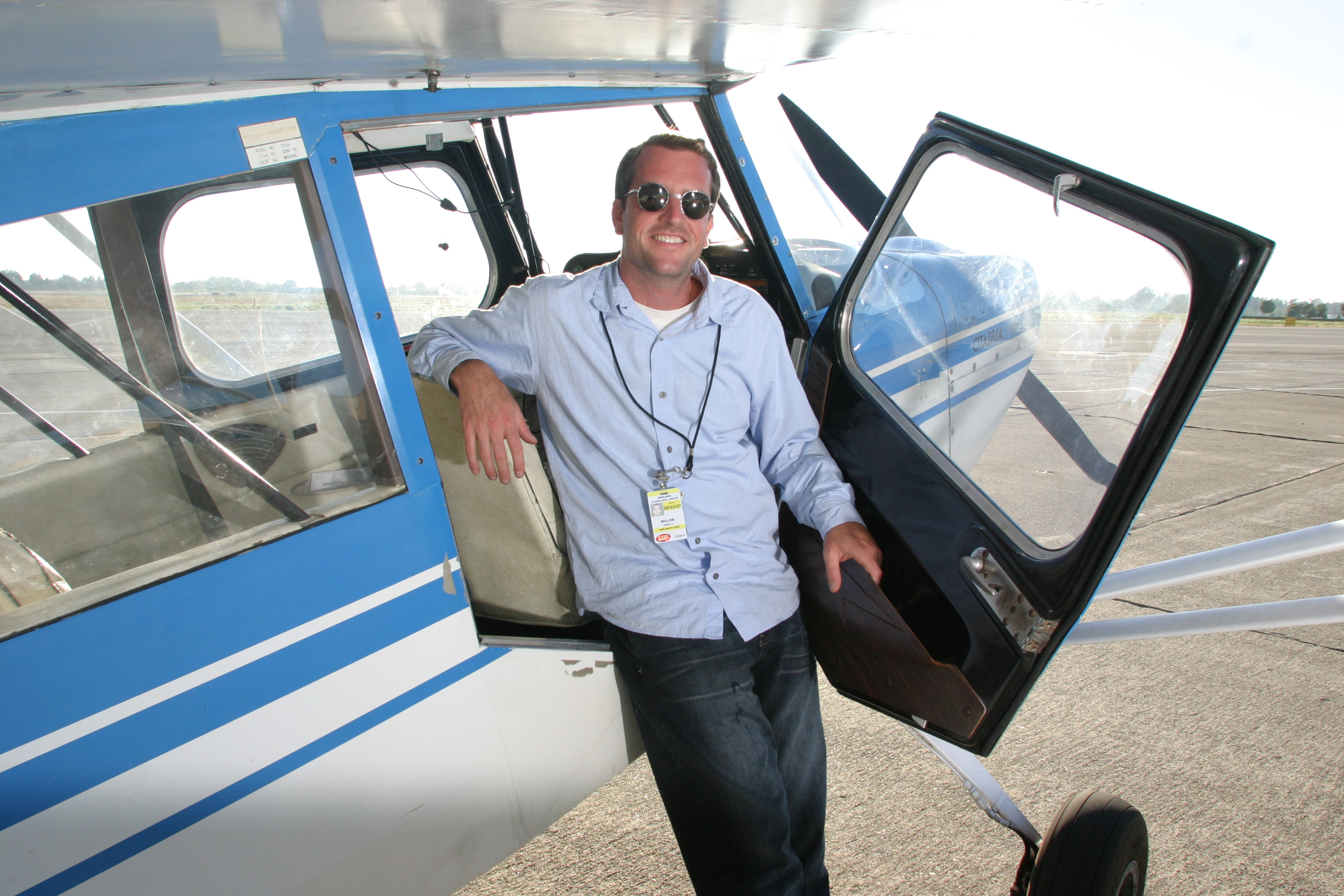
jas9 copyFor the majority of pilots looking towards a career in aviation the purpose of becoming a flight instructor is to build flight time. The position of flight instructor is viewed by many as  the job you take to “pay your dues” in the aviation industry. This is an unfortunate perception because one of  the most important and respected people at a general aviation airport is the flight instructor.

Flight instructing is a challenging and rewarding career which allows you to have a profound impact on the aspiration and safety of individual pilots. Today I have with me a passionate aviator and outstanding flight instructor, Jason Miller.  If you are thinking of a career as a flight instructor this episode is for you. Jason and I will discuss how to be successful and also debunk some myths about the career of flight instructing.

Jason and I Discuss:

  • His passion for teaching people how to fly.
  • Why he loves flight instructing.
  • Misconceptions about flight instructing.
  • How you can make a living flight instructing.
  • Working part time as a flight instructor.
  • How he is connecting with passionate aviators around the world.
  • How you can reach Jason and the Many Outstanding training products he has to offer.

Links:

http://www.thefinerpoints.net

FPLogo


Stuck Mic AVcast is becoming a Part of Valeri Aviation

Earlier today, Stuck Mic AVcast became a member of the Valeri Aviation Group! Len Costa who founded the podcast has decided to retire to travel the world, and has left me with the reins. This bi-monthly podcast about General Aviation is a great addition to our other offerings including this podcast and The Expert Aviator blog. Check out our press release below:

For Immediate Release:

Valeri Aviation Corporation Acquires Stuck Mic AvCast
Former Owner of Popular Aviation Podcast Retires, Travels the World

(South Pasadena, FL.) – Stuck Mic AvCast has quickly grown with more than 229,000 downloads in less than three years, proving to be a popular bi-monthly aviation internet radio show. Len Costa, founder and creator of Stuck Mic AvCast, has passed the captains mic to co-host of the show, Carl Valeri. Officially announced today, Valeri Aviation Corporation has acquired Stuck Mic AvCast.

With more than 17 years in the aviation industry, including his most recent role flying Embraer 145 regional jets as pilot-in-command, Costa was the creative mastermind of the podcast bringing the concept of learning to fly, living to fly, and loving to fly, to life through Stuck Mic AvCast.

“My entire childhood I dreamt of soaring into space and becoming a pilot was the next best thing,” stated Costa. “Regarding my accomplishments as an aviator, I’ve reached every goal and desire I’ve ever had in aviation, and it is time for the next chapter in my life.”

Costa will begin a new journey as he formally retires his airline captain’s wings for a new adventure traveling the world. He is an avid traveler, who has paid off all his financial debts, downsized his life to a single backpack, and on April 15 departs the United States with his girlfriend for a legendary, life-long dream of extended travel.

When asked the reason for his decision to leave Stuck Mic AvCast, Costa said, “As a business owner, you have to know when you’re no longer capable of steering the ship. With my overseas absence, I would not be in a position to appropriately lead the Stuck Mic AvCast. So for the integrity of the show, our listeners, and our visitors, I’ve decided to step down and ‘transfer the controls’ to my great friend, my co-host, and accomplished business owner himself, Carl Valeri.”

Valeri, whose company owns and operates two other aviation websites, The Expert Aviator and Aviation Careers Podcast, brings with him a fresh perspective for the future of Stuck Mic AvCast.

“I have some very big shoes to fill here with Len leaving the show,” said Valeri. “But, I’m excited for the challenge.”

While Costa is extremely excited for his new adventure, he will miss Stuck Mic AvCast.

“Admittedly, this was a tough decision for me,” said Costa. “I will miss being a part of this awesome team, I will miss hearing from our valued and loyal listeners, and mostly, I’ll miss the family we’ve all become. I’ve found solace in my accomplishments as an aviator and I’m sincerely humbled for having the chance to serve everyone.”

Stuck Mic AvCast is produced bi-monthly and can be downloaded at http://StuckMicAvCast.com. Follow Costa’s new adventures at http://TrekAboutLife.com.

Better Aviation Training With Eric Crump – Aerospace Program Director Polk State College – ACP034

elc-goose

Aviation training is constantly evolving producing both safer and well rounded aviators. Today I am excited to have with me an innovator in the field of aviation training, Eric Crump the Aerospace Program Director at Polk State College.

Eric’s passion for aviation is immediately apparent. From the moment I met Eric at Sun N Fun 2013 I knew he would be a great guest on this podcast to help you with your aviation career. Eric is an aviation prodigy who learned to fly a plane before he learned to drive a car.  Eric is now fulfilling his passion for aviation as an educator and innovator in his approach to aviation training.

Eric and I Discuss:

  • How he developed his passion for aviation at such a young age.

  • Why he chose his career path.

  • Who should choose a career in aviation?

  • The conventional aviation training model.

  • How modern training models are creating safer pilots.

  • Financing Aviation Training and its challenges.

  • How past practices in the aviation industry have lead to fewer financing options for pilots.

  • Opportunities at Polk State College for future aviators and eductors.

  • Sun N Fun’s yearlong educational and inspirational opportunities and how Polk State College has become a partner with Sun N Fun.

  • How and why Polk County Florida has become one of the leading areas for aviation training and recreation.

  • The STEM program and Polk Counties involvement.


Eric-Crump-500x281As you can tell Eric is a passionate aviator. He plays a key role in helping people achieve their career goals and become safer pilots.  I highly recommend your visiting Polk State by going to AviationCareersPodcast.com/PolkState or www.Polk.edu/Aerospace. If you have any questions for Eric please go to AviationCareersPodcast.com/Contact and we will answer your question directly by e-mail and share your question in an upcoming episode.

There are many career opportunities in the aviation industry. You can fulfill your passion in many ways just as Eric has done in fulfilling his passion for aviation. One of the most important things to remember while you are looking towards a career in aviation is to keep your mind open to the many opportunities in this exciting field. You never know where it will lead you but remember to enjoy the journey towards your career goal. I know you will achieve whatever goal you decide is worthy of your efforts.

I encourage you to right now take one step towards achieving your career goal. Visit a website or start listening to people motivated about aviation through pod-casts like this one. Maybe you are at home right now and have an aviation magazine or book you can pick up and start reading. If your phone is close by you can call a friend or aviation mentor right now to discuss your career goals. But make sure you do something to keep moving toward your career goal. I know you will achieve whatever you want through persistence and perseverance. So get started now!

Talk to you next episode and safe flying!

Links Mentioned In This Episode:

standard-lightbg


www.Polk.edu/Aerospace

ACP025 – Don’t Let Anyone Steal Your Dream – From Air Force Thunderbird Pilot To General Aviation Pilot With Dave Coffman

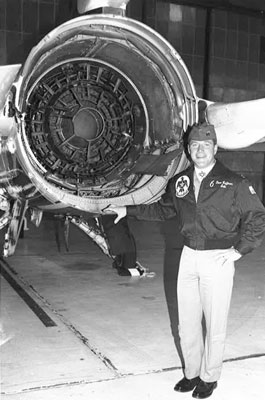
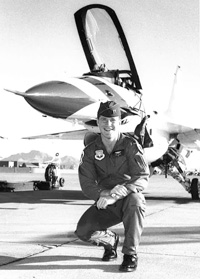
Many Air Force pilots transition to a career as an airline pilot.  Some have successful careers as a general aviation pilot. Dave Coffman is an accomplished pilot who has taken his experience as an Air Force fighter pilot flying for the Thunderbirds and has built a successful general aviation business.

Dave describes how he made the transition from flying fighters for the military to his current general aviation business. Dave is a contract pilot, flight instructor, and mentor pilot. Dave specializes in assisting pilots fly solo in complex aircraft by using his many years as a single seat fighter pilot.

Dave and I Discuss:

  • How he developed a passion for aviation.
  • His Air Force career.
  • Flying For The U.S. Air Force Demonstration Squadron Thunderbirds.
  • Why he chose general aviation over the airlines.
  • How he built a successful business as a contract pilot.
  • How being an F-16 and T-37 Instructor helped him with his current career.
  • Preparing for a job as a civilian after a military career.
  • Advice on seeking a job flying with the military.
  • How a military career prepares you for a job in the civilian world.
  • The challenges of transitioning from the military to the civilian career.

Daves Awards and Achievements Include:

  • Top Graduate, USAF Pilot Instructor Training
  • USAF Distinguished Flying Cross, Aerial Achievement
  • USAF Pilot of Distinction Award for safe recovery of an F-16 during an airshow after a catastrophic afterburner explosion.


Listener Mail:

Questions From Todd:

Todd has a few questions for Tom Wachowski but since both of us are on the road Tom recorded his responses to your questions Todd and I will play his response after reading your questions.

Questions For Tom:

  • What is the the most important quality that a corporate flight department looks for in a prospective pilot candidate?
  • How does he feel about paying for your first type rating when that becomes a limiting factor in getting hired?
  • I hear a lot of people frowning upon that but we all have to pay for our flight training to that point anyway, so why not a type rating?
  • Is it best to fly regionals before getting a corporate job?


Questions for Carl:

  • You mentioned you knew a pilot who also was a practicing dentist.How in the world did he have the time to do both?
  • Any way to have him on your show?
  • Could I potentially have the time to be a practicing veterinarian and be a regional airline pilot?


Questions From Swayne:

Swayne is a high school student considering aviation as a career

  • What should I think when I get responses from online forums or people who tell me to “run?”
  • After years of flying, do you still look forward to it like you did when you first began?
  • How did you get to where you are?
  • What do you think the future of the industry is looking like?
  • Do you see a brighter future compared to the last 11 years?

Links Mentioned In This Show:

Dave’s Interview on The Stuck Mic Avcast Episode 30

Higher Calling Aviation – Pilot, Instructor, Mentor

ACP023 – Ten Reasons You Should NOT Become An Airline Pilot. Career Questions Answered with Tom Wachowski.

ACP014 – What Is Business And Private Aviation?, Interview with Corporate Pilot Tom Wachowski

Cockpit Chronicles

Recommendation:

Wisdom Meets Passion: When Generations Collide and Collaborate


ACP024 – Preparing For A Midlife Career Change; The Successful Part Time Flight Instructor


It has been said that the passion for aviation is an incurable disease which is treated by hours of flying. Well one person who you can tell has been bitten by the aviation “bug” is Paul D’Auria. When I first met Paul his childlike smile as he talked about aviation made me realize this person is hooked.

Although full of youthful exuberance and hope normally associated with a teenager heading to college, Paul has not seen his teens for decades. With that said Paul personifies a passion for flight no matter the age of the pilot.

Recently Paul decided to transition from his desk job at a large corporation to flight instructor full time. Years before that transition he worked getting his ratings and building a client base for his flight instructor business.

Today we are going to speak with Paul about working part time as a flight instructor and how to prepare for a transition from a desk job to a full time flying job. His story is one we will watch unfold and hope to have him on again when he is working full time in the field.

Paul and I Discuss:

  • How Paul developed his passion for aviation.
  • Keys to being a successful part time flight instructor.
  • How to prepare for the transition from desk job to a full time flying position.
  • Methods of building your client base as an independent flight instructor.
  • Working with flight schools as an independent instructor.
  • Why it is never too late to start looking towards a career in aviation.
  • Defining your unique aviation career goals.
  • Challenges for the middle age career transition.

Recommendation:

I receive e-mails from listeners wanting to change careers but they can’t because as their income has increased so has their lifestyle. If this has happened to you don’t feel bad because this commonly happens.  If you feel you are attached to a lifestyle as if chained to a heavy anchor no need to worry because there is hope.

The first step is to stop your high consumption lifestyle, begin living within your means, and start saving money. We all think we want to be rich because we want to buy the things rich people have. But to feel rich we begin buying those things that might make us feel happy at the moment but straddle us with debt or transfer our savings to an inanimate object.

If your dream is to have a career in aviation you will need to be very conservative in your spending and your lifestyle. This is due to the high cost of training, low starting wages, and the years it might require to gain experience to make you marketable throughout the industry.

You will need to start living within your means but this is difficult without some guidance and examples. As pilots we try to emulate the skills and safety practices of those pilots and instructors we admire. You also should try and emulate those who are financially successful such as millionaires.

I think you will find the information in the book Stop Acting Rich valuable and discover that many of the millionaires in this country became wealthy by leading a frugal lifestyle and not becoming caught in a high consumption lifestyle that we often associate with wealth. The greatest lesson I learned from this book is that if you look at the things you purchase from a practical standpoint as opposed to how it makes you feel you will be well on your way to the financial security you will need while navigating your way through your aviation career. I think by reading this book you will learn something that will help you move towards financial security and allow you to concentrate on obtaining your aviation career goal.

Career Questions Answered:

  • Can an individual can be successful as a ground instructor?
  • Is there a market for ground instructors?

I hope you have enjoyed listening to Paul D’Auria’s  story and come back in the future to hear how he is progressing with his flight instructing.  If you have any questions for Paul please feel free to contact us and we will pass along the question to Paul. Simply click on the contact page on our website AviationCareersPodcast.com/contact and send us a message.

Remember to like AviationCareersPodcast on Facebook and follow us on Twitter to get up to date information.  You can of course ask us questions on facebook and twitter or you can e-mail me directly at carl@aviationcareerspodcast.com or leave a voicemail at 347-MY-WINGS (347) 699-4647.

Before every flight a pilot takes time to plan for a normal flight. A good pilot places just as much thought into contingency plans.  It is a good idea to follow the lead of a good pilot in command and spend adequate time both planning your career and making contingency plans.

By having financial stability it makes your plan go much smoother. Financial stability is like having extra fuel in the tanks because you can make many diversions but still make it to your destination without stopping along the way. This is the reason I recommended Stop Acting Rich.  By avoiding a high consumption lifestyle you will be able to use the money to progress towards your career goal.

Remember extra fuel is like extra money in the bank.  By being a good steward of your money you will make it to your career destination with greater financial safety and speed.  I Hope you have enjoyed today’s show and I look forward to seeing you next episode. Safe Flying!

Related Links:

Episode 003 – How to be a Successful Part Time Flight Instructor


ACP023 – Ten Reasons You Should NOT Become An Airline Pilot. Career Questions Answered with Tom Wachowski.

I spent a few days dropping my business cards off at flight schools and fixed base operators and I have come to a striking conclusion. Airports and flight schools can be the worst place to go if you want advice on becoming an airline pilot. Let me explain.

I like to leave cards at the airport so those who are interested in an aviation career will learn from the interviews and advice we provide on this show. After speaking with various people at numerous airports I received diverse reactions to my podcast.

When I speak with those who have been in the industry a long time I usually hear “I hope you are telling pilots to get out of aviation and do something that makes money”. When I speak with newer pilots excited about their new career I get a completely opposite reaction.

Most new pilots are “interested in hearing what we have to say on this podcast because they can’t wait to move their careers forward”. I can’t blame these “newbies” in the industry with all the negative feedback they get from their boss and the other older pilots working at the airport, I too would want to move on.

To help you better understand the challenges of being an airline pilot I wanted to give you some of the negatives I have heard from these people and other pilots I have spoken with over the past few decades. I have compiled a list of the top ten reasons you should not become an airline pilot so you can decide for yourself if this career is for you. If the top ten reasons are not negatives in your mind, then you will be a candidate for becoming an airline pilot.

Before we begin with our top ten list of reasons you should NOT become an airline pilot I want to ask you a favor. If you are an airline pilot and are listening to this podcast I invite you to write in with your own list of the top reasons you Should or Should NOT become an airline pilot. I will include these in an upcoming episode.

Today we are also going to spend most of the episode answering your aviation career questions sent via email. To help me with my list and to help give another perspective is Tom Wachowski. Tom was our guest in episode 14 and helped us understand the corporate pilot career.

Tom and I Discuss:

The Top Ten Reasons You Should NOT Become An Airline Pilot.

  1. You want to be home every night.
  2. You don’t like sleeping in hotel rooms.
  3. You needs lots of rest and can’t imagine working a 16 hour day.
  4. You want to a large income right away.
  5. You want to change jobs often.
  6. You want holidays off.
  7. You want to see your family every day.
  8. You don’t work well under pressure.
  9. You are afraid of being tested continually just to keep your job.
  10. You don’t like working with others in an enclosed environment.

Listener Mail:

From Ron:

I’ve only recently discovered your podcast, I appreciate the fresh perspective your episodes deliver!

For those who may not be able to fly with an airline, or may have a restriction on their medical for color vision deficiency with “not valid for night flying or by color signal control”, what other flying jobs are there aside from perhaps agricultural or patrol or daytime charters? How would one get their foot in the door with these or any other opportunities? How does one plug into the aviation “network” and begin making invaluable contacts?

From Shane:

I started listening to your podcast after your appearance on the airplane geeks podcast. At the time I was a student enrolled in the professional pilot program and working part time for the school as a veteran/financial aid adviser. Around this time our previous flight training provider lost their contract and a new flight school received the contract to conduct the flight training portion of the degree.

Word went out the new flight school was conducting interviews but since I had not yet received my CFI certification I initially thought that I shouldn’t waste my time interviewing. Luckily I remembered the advice I have heard repeatedly on your podcast that there is more to aviation careers than just flying so I went in with a resume and some optimism hoping for the best.

The following week I was contacted by the new flight school and they informed me they wanted me to be the customer service and admissions manager with a focus on student success. The best part was they agreed to let me start taking on students once I finished my flight instructor certificate!

I would never have thought to apply for this job if it were not for your advice and I could not be happier with the outcome. I love my new job and look forward to coming to work every day.

Thank you,
Shane

From James:

I just recently discovered your podcast and I really hope you continue to produce these in the future. I have been a helicopter pilot in the US Army for the past 16 years and I’m looking to start a 2nd career in the Airlines at the ripe old age of 38.

I started flying in 1990 when I was 15. At this time, a Cessna 152 was about $30/hour and the instructor was about $15/hour. At that point in time, one could pay for a private pilot certificate with about $2,000. Today the least expensive airplanes I see rent wet for about $100/hour and the CFI $50/hour. According the the US Inflation calculator, $30 in 1990 should be about $53 today, having had a rate of inflation change of 76% over the past 22 years. Even in 1990, the “old timers” were complaining about how much prices had risen since the late 70’s/early 80’s.

So why has the cost of flight training outpaced inflation by 200% over the past 20 years, and over 300% over the past 30 years?

It’s easy to blame the lawyers of the 1970’s and 1980’s for putting the Wichita companies out of the business of producing training aircraft. We still have no where near the economies of scale of production that we had during the “golden era” of the 60’s and 70’s.

I don’t think the LSA/sport pilot revolution (est. 2004) has lived up to the expectations we had anticipated 10 years ago. Is this simply because a plastic plane still needs to sell for $100k to turn a profit at the current (low) production levels?

One thing that has become more affordable over the years is the cost of the average airline ticket and the accessibility to the general public. When I took my first ride on an airplane in 1977 to visit Grandma, residing just 3 states away, it cost my parents $700 per person in 1977 dollars ($2,661 today) to board that United Airlines DC-10.

If the public thinks that we need to go back to the good old days when we were served steak and lobster with our own flight attendant to pamper us at the cost of 8 weeks worth of wages, this can still be done–it’s called first class.

And finally, to beat the dead horse of whether or not a pilot shortage really exists. Most of those in the industry who poo poo the idea of a real shortage based on the fact that during their tenure over the past 30 years, there just hasn’t been one. We have cried wolf too many times over the past 3 decades with nothing really materializing. What they need to keep in mind is that there are some major factors that have changed that didn’t occur during their time in the industry. Airline operators will no longer have the luxury of lowering the hiring minimums to 250 hours like they did in the late 1990’s. The cost of training and access to financial support to pay for training is at an all time low. Just look at the pilot population of 1980 (800,000 +) compared to today (500,000 +) and then further compare that to the number of passengers traveling and aircraft in service. This may just perhaps be the “real” shortage.

From Robert:

Hello, I found your podcast from hearing you on the Airplane Geeks Podcast. I am a former flight instructor and 135 charter pilot who has been out of the industry for the past two years but am trying to return to commercial flying. I have 1530 total time, 1197 multi engine, 960 turbojet multi and all the CFI ratings. However I have not flown in the past two years. I am hoping you might be able to advise me on how much recent experience I need to build to be a candidate for a regional airline.

Thanks,
Robert

From Terry:

Hello, My name is Terry Peterson I’m a Commercial Single Engine Land Instrument pilot with 500 TT and will have my CFI/II soon. I have been in sales for about 10 years and really enjoyed your podcast about aircraft sales. This is a field that has interested me for a while and I think with my skill set I would be a good fit in this field.

I’m working on my instructor certificates right now as kind of a student teacher. My instructor has paired me up with an instrument student, I write the lesson plans and my instructor then reviews them. I then teach the approved lesson to the student and when he is ready I sign him off for a stage check with the instructor to see how we are both doing.. If I could log dual given I would be able to log about 25 hours at this point. I like this approach because I found that I really enjoy teaching.

I have also decided to start my Aviation Maintenance Technician (AMT) training next year at my local college. I have been thinking about this for a year but after hearing your podcast about how it could make me more marketable as a pilot to have my AMT I have decided to move forward.

I have just recently found your podcast by way of the New pilot podblog when you were being interviewed by Rob. I have found your podcast informative and empowering . I believe I have been given inside information to make better educated decisions concerning my new career in aviation.

Thank you,

Terry

From Dan:

Hello Carl,

I have recently started listening to this podcast and am in the process of catching up from the beginning. Just have a few questions/comments from the episodes I have heard thus far.

In episode 15, you spoke with Betty of the Betty in the Sky with a Suitcase podcast. One point that came up was crash pads and the like, and it made me think of www.airbnb.com. Only very loosely related, as I understand this is much more like a hotel room than a long term money saving rental. However, I thought it might be worth mentioning for at least some of the corporate pilots out there, or anyone else staying overnight in a city which they don’t call home, who wants something a bit different than your usual hotel room. I’m sure the company takes care of the hotel rooms for you airline guys, so that is probably not really an issue. Perhaps this is more of a Pick of the Week for a Stuck Mic episode.

Stemming from the corporate pilot train of thought, I wanted to say that Tom Wachowski from episode 14 was by far my favourite thus far. Most likely due to the fact that he is living the life that I would like to see myself in. Which brings me to my point.

Currently, I am taking an online ground school course before I jump in to my primary flight training. Trying to be as efficient as possible in regards to my training, I have planned to complete the ground training so that I can take some time off work and focus entirely on flight training.

Everything I have read/heard says that the more you can fly during training, the better off you are. What I am hoping to do is fly 7 days a week, as I already have a flight school which assures me that will not be a problem for them.

My question is this, is there some point which could be considered too much flying? I understand that some would point out the possibility of burn out with that much flying, but if fuel would allow… I would never come down. Just not sure how passengers would feel about that. My 30th birthday is just around the corner, so I am a bit behind the ball on this, which is why I would like to expedite training without rushing so much that it is ‘bad’ training. Long term goal would be to move to a senior position with a regional carrier and do some corporate contract work on the side iif possible.

As this is already entirely too long, I will finish it up, but I do appreciate you reading through all of this and look forward to any thoughts/recommendations you might have on the subject. Keep up the great work.

Safe flying,
Dan

From Ron:

I enjoy listening to your show. I’d be very interested in hearing different viewpoints on building multi engine time.

I just finished a multi-engine commercial rating at a community college and need to continue to garner more flight experience.

I went online and came across some time building programs. I then read warnings about some of those programs on other websites. They claimed that buying time at some of those operations was essentially worthless because many prospective employers view that time as garbage.

I talked to a FBO that had a multiengine available for rent and there was even more disagreement.

I’m confused and I need to hear from professionals who don’t have any financial stake in giving good advice.

From Todd:

Carl,

No doubt, this isn’t the first email you have received from someone pondering a career change. I am 40 years old and have always had a passion for flying. I obtained my Private PIlot Certificate before starting college.

I was planning to pursue my dream of becoming a corporate pilot when I discovered the FAA’s vision requirements. I was crushed, so I left aviation and am now a veterinarian. Fast forward to now.

I recently discovered that the FAA changed their vision requirements not long after I left aviation. I couldn’t believe it! Well, here I am, pondering one of the biggest decisions of my life. I’ve never had the same passion for my current career as I do flying. My goal is once again to fly for a corporate flight department. That leads me to this question:

Multi-engine PIC time is so important for many jobs. With most freight companies out of business, building time as a cargo pilot is almost a thing of the past. How can someone today build that important multi-engine time short of buying it? Instructing is one way, but fewer people seem to be pursuing multi-engine ratings. What are some other ways one can build PIC multi-engine time?

Thanks!

Todd

Links Mentioned in The Show:

Airmanship and Experience: Taking Advantage Of The Pending Pilot Shortages

Airplane Geeks Podcast

ATP Flight School

Action Multi Engine Ratings
Tom Wachowski – Consider It Brands.

Recommendation:

The Top Five Regrets of the Dying: A Life Transformed by the Dearly Departing


ACP020 Land That Job: Successful Interviews and Resumes with Amanda Myers of JSfirm.com

If you are preparing for a job interview then this episode is for you. I will share with you the key elements to a successful interview. To help me with this process I am excited to have with me Amanda Myers of JSfirm.com.

JSfirm.com creates aviation opportunities by having one of the most extensive listings of aviation jobs on the internet. Amanda is with me today to discuss how you can increases your chances of obtaining a job in the aviation field by having an outstanding resume and being prepared for your interview.

Amanda and I discuss:

  • The Importance of A Good Resume.
  • Hiring prospects in the aviation industry.
  • Why the first phone contact is important.
  • Qualifications and interview performance.
  • The Interview Process.
  • The importance of rehearsing a script.
  • How and why you should practice before the interview.
  • What is JSfirm.com and how they create aviation opportunities.
  • The aviation resume services offered by JSfirm.

Recommendation:

JSfirm is truly “creating aviation opportunities” as their byline states.

The website has a broad scope of jobs in the aviation industry while focusing on the most popular jobs. If you want to view the various jobs in the aviation industry this is a great place to start. You can spend time perusing their website and learning about the many job opportunities.

JSfirm.com allows you to post your resume for free and offers resume services. I highly suggest you read the section of their job interview tips which is free. To find your next career in aviation and to learn more about the services provided by JSfirm.com please call 724-547-6203 or visit JSfirm.com.

Listener Questions:
(note: questions are edited for privacy and content)

Question From Erol:

Hello Carl,

I want to start off by telling you how much I enjoy both of your podcasts. They’re both on my regular not-to-be-missed podcast playlist.

I’m a complete aviation geek and have been my whole life. I’m passionate about aviation, the airline business, and piloting. In fact, I am launching a podcast of my own here soon.

I am a private pilot with 300 hours in a single engine airplane. I’m 42 working in the semiconductor industry.

Question 1:

So this brings me to my first question. In researching my options to “punch my tickets” i.e. getting the instrument, multi, commercial, CFI, CFII and MEI ratings, I came across ATP (http://www.atpflightschool.com/). What is your opinion of ATP or a similar school where you earn the ratings in 90 days? Would this training be looked upon as a positive or a negative by an airline? If this is a negative, what would be a better alternative?

Answer:

Thank you for the questions and listening to both of the podcasts I am involved with. For those of you who only know me from listening to this podcast, I am a regular co host on The Stuck Mic AvCast. This is another aviation podcast about learning to fly, living to fly, and loving to fly. If you want to hear some interesting conversations about flying general aviation airplanes go to StuckMicAvCast.com.

First let me say I am inspired by your enthusiasm and think you will enjoy a job in the aviation field. To answer your first question, I feel schools where you earn all of your ratings in 90 days can be both good and bad, it depends on the school.

I am very familiar with ATP flight school and feel they do a great job with training. As a matter of fact I sent one of my students there because he wanted to accelerate the process of becoming a professional pilot. Now with that said I have attended many accelerated programs for various ratings and I can say the quality of training is the most important aspect of the flight school.

I went to one accelerated program where I feel I received poor training and the school finally folded. Other accelerated programs I have attended were good. I look at these accelerated programs similar to summer school classes where you attend class all day. They are intense, you learn quickly because you are immersed in the material, and the quality depends on the quality of the program and the instructors.

I don’t think this training is looked upon as a positive or a negative at the airline. I see many new hires come from these accelerated programs. With that said you must understand in aviation there is no substitute for quality training and experience.

Question 2:

Now, assuming I get my ratings, can you help me understand the difference between quality hours and non-quality hours as it relates to a hiring airline? If the looming pilot shortage is real, do you expect airlines to be picky about how the hours were flown?

Answer:

The difference between quality hours and non-quality hours as it relates to a hiring airline is simple. Do the hours you are gaining make you come closer to minimums for the airline you are applying. If the airline you are interested in working for has a minimum of 200 hours multi-engine time and you are flying a single engine it doesn’t matter how many hours you get if you don’t get the 200 multi-engine time.

This happened to me. I had many hours of flight instructing in single engine aircraft and very few hours of multi-engine time. I had an airline call me three times to see if I wanted to interview and each time I couldn’t even interview because I didn’t have enough multi-engine time.

When I was furloughed this also hurt me because I didn’t have enough multi-engine piston time to work at a flight school teaching in their twin. So the moral of the story is to build as much multi-engine time as you can.

One further consideration is to make sure you actually have some time actually flying the plane. There are some airlines who distinguish on your application the time you were “sole manipulator of the controls”. Theoretically you could get your ratings and fly right seat as safety pilot and only land the plane every 90 days to keep current. My advice is to have a mix of both being the sole manipulator of the controls and the safety pilot. Of course if you get your CFI you are no longer logging safety pilot time. I highly recommend your getting your CFI if you want to make money and build time.

The upcoming hiring boom or “pilot shortage” for the airlines will work like this. There are many high time pilots on the street right now who will probably get the jobs first. But since the number of qualified pilots is less than it was 10 years ago the airlines will go through this fairly quickly and then they won’t be a “picky” about your hours. Remember to always be trying to increase your eligibility for the airlines no matter the stage of the hiring cycle.

When one of the “pilot shortages/hiring cycles” came back in the 90’s my friend was hired with 5000 hours and that was considered competitive for a regional job at the time. Only a year later the regionals began hiring pilots with as few as 500 hours. That is where I see us heading in the future.

One other item that you need to keep an eye on is if the FAA is going to relax the new requirement for all first officers at an airline to have an ATP. This may happen and is something to watch.

Question 3:

Given my age, is it realistic to think I can make it to the airline? And, if I do, what are my chances of reaching a seniority to hold a line and no longer fly reserve?

Answer:

Given your age it is quite realistic to make it to the airline but you must help me define what you mean by an airline. Many people are making the career choice to remain at the “regional airlines”. Many of these airlines fly to different countries and have great benefits and pay. After 10 years with the large jet regionals you can expect to make low six figures and have approximately 15 days off.

What is interesting is the DOT classifies many of the large regionals as major airlines due to the fact they use gross revenue to define the difference between regional and major. Most employment websites classify these airlines in the “National and Low Cost Carrier” sector.

Furthermore, with a regional carrier you will get to go to many of the same cities and countries as the majors as long as it is not too far over seas. About 7 years ago while flying for a “regional” I flew to three countries in one day. I’m not sure we can continue to call this type of flying regional anymore.

With all this said, if you do wish to make it to a Major airline and schedule is important for you then research the age of the pilots at the airline where you want to work. To advance on the seniority list someone senior to you must retire or leave the company. If there are many people above you on the list that are younger than you your advancement up the list will be limited. The reason I say you must look at age is because people don’t leave once they are senior because there are no lateral moves in the airline business. This is something to research when you are looking at an airline.

Question 4:

And finally what are your comments about the quality of life as a pilot? I’m not so much concerned with the salary because my wife and I are financially prepared for the change in income. I’m more concerned about being a parent.

I’ve spoken with pilots who say that while they’re away for 3-4 days each week the time at home the remainder of the week is higher quality. For example when they’re home, they’re home all day versus me who when home is in an office 8-10 hrs/day. I’ve spoke with other pilots who claim they missed the first 20 years of their child’s life and feel like they missed everything. Obviously two different viewpoints. Not sure if you have kids or not but any feedback is appreciated.

Answer:

Your final question regarding quality of life as a pilot is an interesting one. Much of your quality of life depends on the type of equipment you are flying, your seniority, and the airline you work for. It also can change with the seasons and economic cycles.

I have had both wonderful schedules and poor schedules depending on my seniority and how they schedule pilots at the airlines I have worked for. At times I have had 20 days off a month and was home more than on the road. Other times I might not get home for 2 weeks at a time only to be home for less than 36 hours. Again this is all dependent on the airline, your seniority and how far you live from work.

For example, I live over a thousand miles from where I work. I have to commute to work sometimes 24 hours in advance and at times don’t get to come home from work for up to 12 hours after I finish a trip. It takes me door to door six hours to get to work on a good day but I normally need a few more hours in case of cancellations and bad weather.

If you decide not to “commute” to work and simply drive into work it can make your schedule much easier to deal with and you will get be home more often. I know that when I lived in base I felt like it was a different job altogether. When I left work I would be home in an hour and that was it until the next time I went to work.

As flight crew members we can live anywhere in the world. We can live in an island paradise and commute to work, or we can live near the airport where we are based. The ultimate would be to have a base near a place you want to live. This would be the ultimate quality of life for a pilot and I know many who do this. But you need to work at an airline who has a base where you want to live.

You see much goes into the decision when you are looking towards a career as a flight crew member. Commuting will very much affect your lifestyle. It affects mine tremendously. But I made a decision to live in an island paradise with sand in my toes and then jump on a plane and go to work. This lifestyle is not for everyone but it does have some perks.

Thanks again for the great questions Erol.

Closing:

If you are interested in getting into the aviation or aerospace field I hope you have realized through this interview the wide variety of jobs available. Whether flying, designing, building, repairing, or managing airplanes you can find a job in aviation if that is your passion.

To contact us please go to AvationCareersPodcast.com and click on the contact page. Don’t forget to like us on Facebook and follow us on Twitter. I also invite you to leave a voicemail at 347-MY-WINGS or 347-699-4647. If you have comments, suggestions, or questions for me or one of my guests please feel free to ask.

Hope to see you next episode. Safe Flying!


ACP015 Flight Attendant Careers, Interview With Betty In The Sky With A Suitcase

Welcome to Episode 15. Ever wonder what it is like to be a flight attendant? Well today I am excited to have my first flight attendant on Aviation Careers Podcast to help us understand the exciting career of a flight attendant.

In today’s show we discuss pursuing a career as a flight attendant. I am very excited to have with me the person I feel is best to help introduce this career to us, Betty Thesky. Betty is a flight attendant with a major airline, author of “Betty In The Sky With A Suitcase”, and host of the podcast Betty In The Sky With A Suitcase. I think you will learn a great deal as we introduce you to the exciting career as flight attendant.

Betty and I discuss:

  • Her journey to becoming a flight attendant.
  • Why do we have flight attendants?
  • The day in the life of a flight attendant.
  • Commuting to work.
  • Seniority.
  • What is a crash pad?
  • Qualifications for a job as a flight attendant.
  • What you can do to make yourself more competitive when applying for a job.
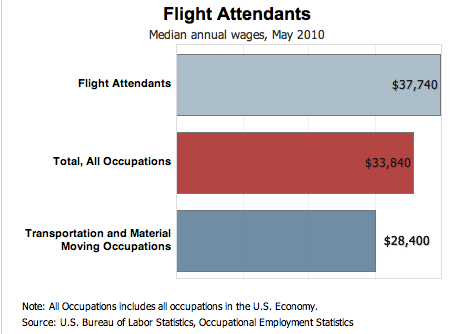
  • Expected earnings and premium pay.
  • Betty’s advice for those looking into a career as a flight attendant.
  • Her Podcast Betty In The Sky With A Suitcase.
  • Recommended Reading: Betty In The Sky With A Suitcase.

Links Mentioned In This Podcast:

Bureau Of Labor Statistics – Flight Attendant Pay

Subscribe To Aviation Careers Podcast:

Miro Video PlayerPodcast Feed